
Gouramis are a vibrant, medium- to large-sized gourami freshwater fish that add a unique personality to any aquarium. Gouramis are immensely diverse, with over 130 gourami species spanning 15 genera, meaning there’s a perfect gourami type for virtually any freshwater setup.
A dwarf gourami is not only breathtaking to look at but fascinating to watch, making it a favourite among both beginner and experienced aquarists. Different gourami aquarium fish vary in terms of their care needs, requiring specific water conditions and tank sizes to maintain optimal health.
Read on to discover what’s special about this fish, a list of popular gourami types, and how to choose the right one for your aquarium.
What Makes Gourami Fish Special for Your Freshwater Tank?
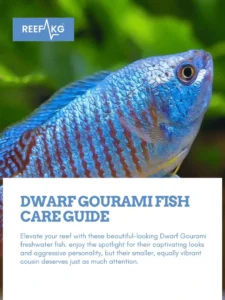
Gouramis are members of the families Belontiidae, Osphronemidae, and Helostomidae, hailing from waters in Asia and Africa. Gouramis come in all sorts of colours and sizes, from the tiny sparkling dwarf gourami at 1.5 inches to the giant gourami at over 2 feet long. One distinctive feature is feelers, which are actually modified pelvic fins that contain touch-sensitive cells that help gouramis navigate their environment, much like whiskers on a cat.
These gourami aquarium fish are classified as labyrinth fish as they possess a specialised labyrinth organ that helps them breathe air directly from the water’s surface.
This special adaptation has allowed them to thrive in low-oxygen environments, giving them a survival advantage. For the most part, they swim near the aquarium’s top, occasionally rising to gulp air, which is an endearing sight.
However, maintaining proper water parameters remains essential for their overall health—while they can survive in low-oxygen conditions, they still need clean, well-maintained water to thrive.
Top 10 Dwarf Gourami Types – Stunning Varieties of Gourami Fish for Freshwater Tanks
Gouramis are members of the families Belontiidae, Osphronemidae, and Helostomidae, hailing from waters in Asia and Africa. Gouramis come in all sorts of colours and sizes, from the tiny sparkling dwarf gourami at 1.5 inches to the giant gourami at over 2 feet long. One distinctive feature is feelers, which are actually modified pelvic fins that contain touch-sensitive cells that help gouramis navigate their environment, much like whiskers on a cat.
These gourami aquarium fish are classified as labyrinth fish as they possess a specialised labyrinth organ that helps them breathe air directly from the water’s surface.
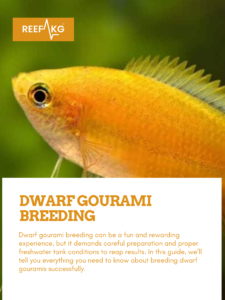
This special adaptation has allowed them to thrive in low-oxygen environments, giving them a survival advantage. For the most part, they swim near the aquarium’s top, occasionally rising to gulp air, which is an endearing sight.
However, maintaining proper water parameters remains essential for their overall health. While they can survive in low-oxygen conditions, they still need clean, well-maintained water to thrive.
Top 10 Dwarf Gourami Types – Stunning Varieties of Gourami Fish for Freshwater Tanks
The Blue Gouramis
1. Powder Blue Dwarf Gourami
Native to South Asia, powder blue dwarf gourami fish primarily display either red or blue stripes. Also known as dwarf blue gourami, this captivating variety showcases a soft, almost ethereal powder blue hue. Almost across its entire body with very diminished vertical red striping. That provides it an enchanting contrast against greenery in the background.
Powder blue dwarf gourami also called the Coral Blue Dwarf Gourami. These fish are the smallest in the gourami family and are well-suited for mini-aquariums or community aquariums with small fish. Female powder blue dwarf gouramis are one of our favourites over male gouramis. Because they are often more peaceful, yet still exhibit the same brilliant blue colour.

Why the Powder Blue Dwarf Gourami, or Dwarf Blue Gourami, Is Perfect for Your Tank
Apart from its charm and interactive nature, part of the appeal of the dwarf blue gourami lies in its tiny size—typically under 2 inches, making it ideal for nano tanks and beginner setups. By providing proper water conditions and a calm environment, you will be able to enjoy the view of vibrant dwarf blue gourami swimming actively in the water while coming to the surface for breathing, which brings life to your aquarium.
Additionally, the species is relatively peaceful and easy to care for, qualities that allow it to adjust well in well-planted community aquariums alongside other small, non-aggressive fish.
2. Cobalt Blue Dwarf Gourami – Family of Powder Blue Gourami Fish
Aquarists can find stunning varieties of the dwarf blue gourami, including cobalt and powder blue variants. The Cobalt Blue dwarf gourami typically displays a solid blue colouration across its entire body, often lacking the red stripes seen on other varieties. On first glance, it appears similar to powder blue gouramis but stands out for its richer, more saturated tones with a translucent texture that reflects aquarium lighting beautifully.
A cobalt Blue Dwarf Gourami or powder blue gourami can be regarded as a kind of hybrid of the neon blue and powder blue variations, offering a compelling mix of intensity and elegance. It provides a striking contrast when placed in tanks with darker substrates.
3. Neon Blue Dwarf Gourami or Neon Dwarf Gourami Fish
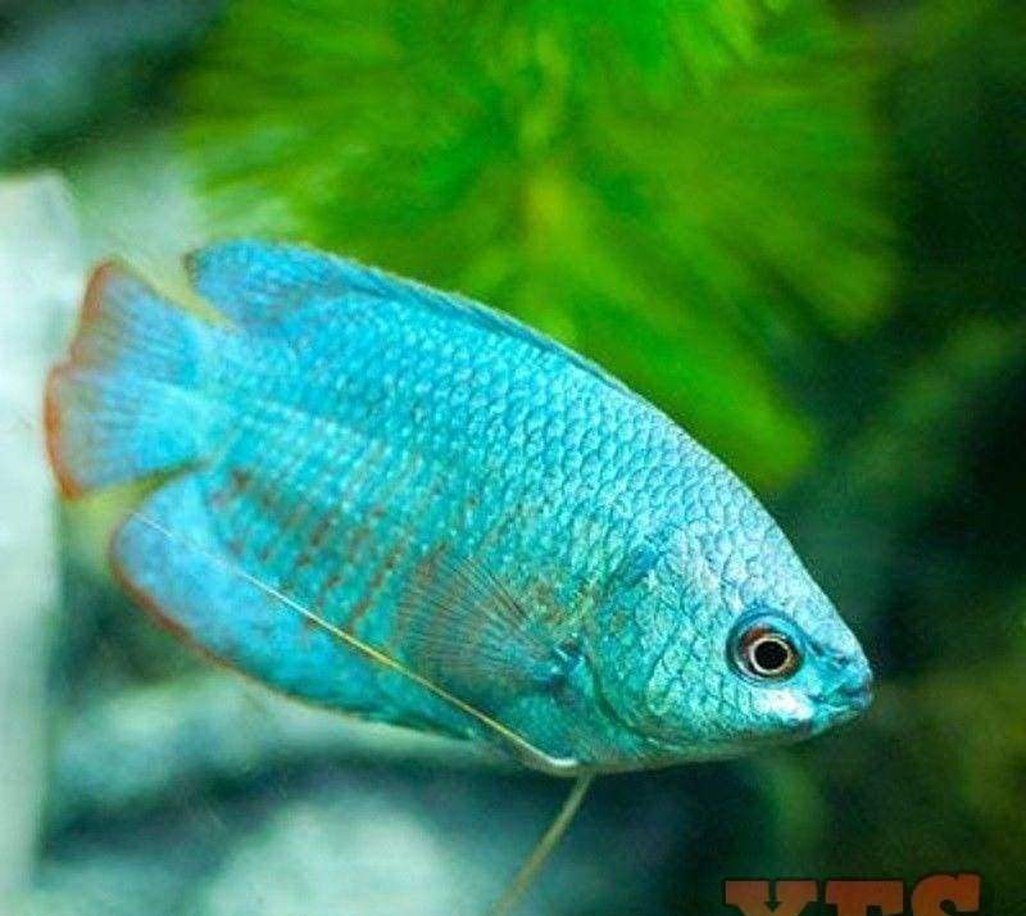
The Neon Blue Dwarf Gourami, also known as the neon dwarf gourami, is an eye-catching gourami aquarium fish available in turquoise/neon blue colour, complemented by stripes of dark red and bright blue running across the body. Also called the Rainbow Dwarf Gourami, it is conspicuous for its metallic body and vibrant blue colouration that genuinely appears to glow under proper aquarium lighting.
A male neon dwarf gourami can be identified due to its pointed dorsal fins, whereas females have rounded ones. It can grow up to 2-3 inches or 5-7.5 cm and fits well into community tanks with other small, non-aggressive fish such as Tetras, Corydoras, and Loaches. Like other labyrinth fish, it can breathe air from the surface, but a gap between the water and the lid is essential.

4. Blue Opaline Gourami – Dark Blue in Colour
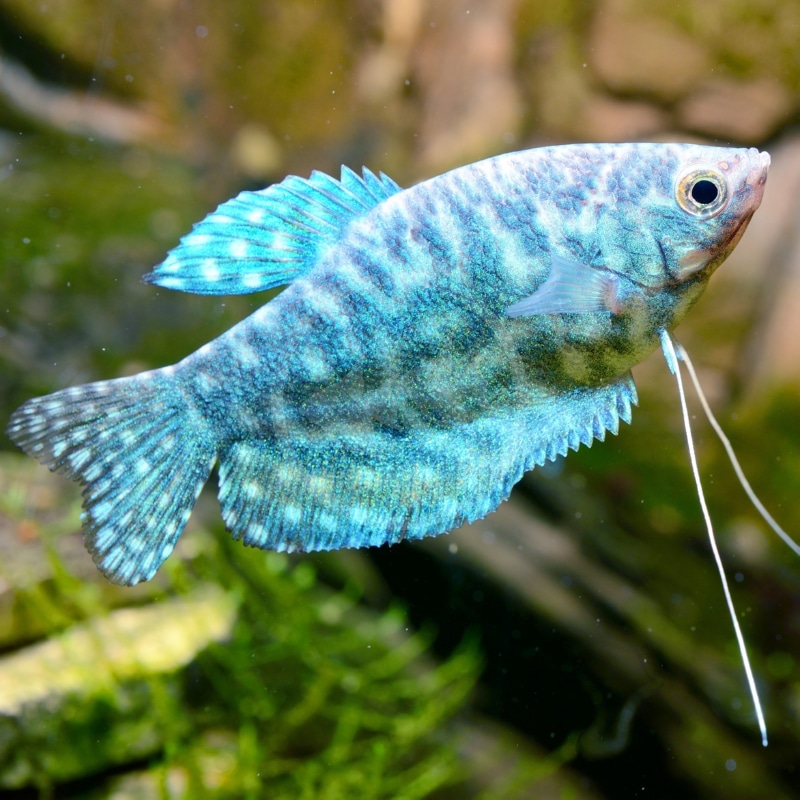
One of the hardiest gourami fish species, the standard variety is blue in colour, though several dwarf gourami colours exist. For instance, the “silver or platinum gourami” is a type of white gourami, while a gold variety also exists. Blue gouramis are well-known for their ability to change colour according to their mood, with their most vibrant colours seen during spawning.
While they are quite compatible with other fish of smaller size, they tend to be aggressive towards their own species due to their similar colouration.
The standard blue-colored fish has a black spot on the base of the tail, one in the middle of the body, and the black pupil of the eye makes the third spot, giving the blue gourami the alternate name of 3-spot gourami.
Which gourami variety is your favourite?
If you’re exploring both freshwater and marine setups, you’ll also enjoy our Saltwater Fish Tank Setup Guide, which covers essential equipment, cycling, and livestock planning.
5. Flame Dwarf Gourami – The Red Gourami Family
The Flame Dwarf Gourami is indeed one of the most popular among dwarf gourami types, mainly due to its distinctive, brilliant, solid orange-red flame-like body with a striking blue dorsal fin. This incredibly eye-catching fish has been a fan favourite for planted aquariums.
The variety justifies its name as it displays a deep-red colour near the tail that alternates into bright orange towards the head, creating a genuinely flame-like effect.

6. Red Dwarf Gourami
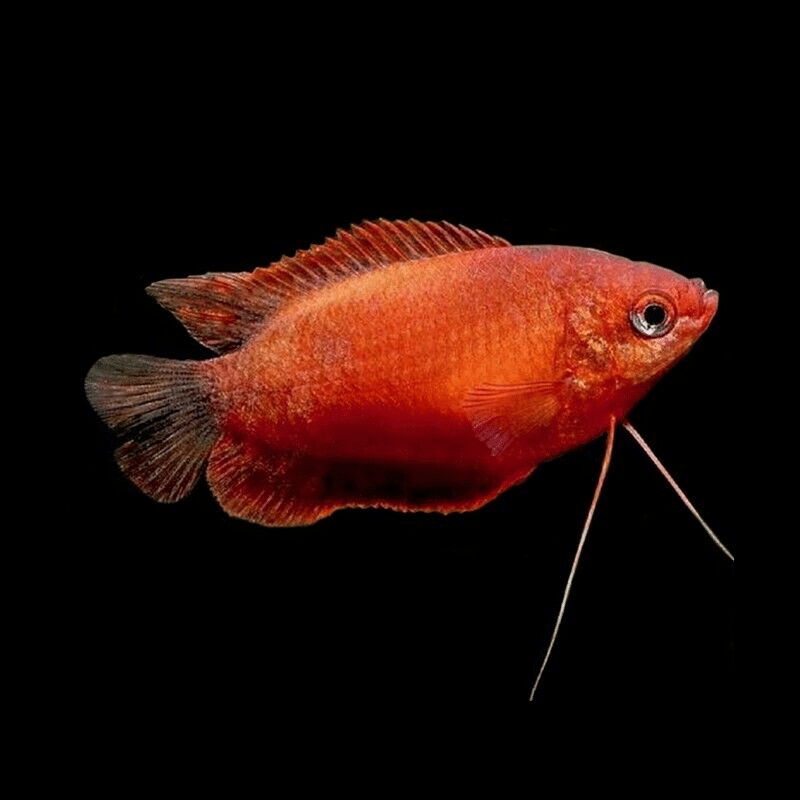
What makes the red dwarf gourami different from the flame gourami variety is the absence of the blue-merged dorsal fin and a colour that tilts towards an orange and brown, as opposed to the reddish-orange of the flame individuals.
While red dwarf gourami may not be as dramatic as flame gouramis, their subdued appearance works beautifully in naturalistic aquascapes comprising driftwood and leaf litter setups perfectly.
7. Honey Dwarf Gourami Fish
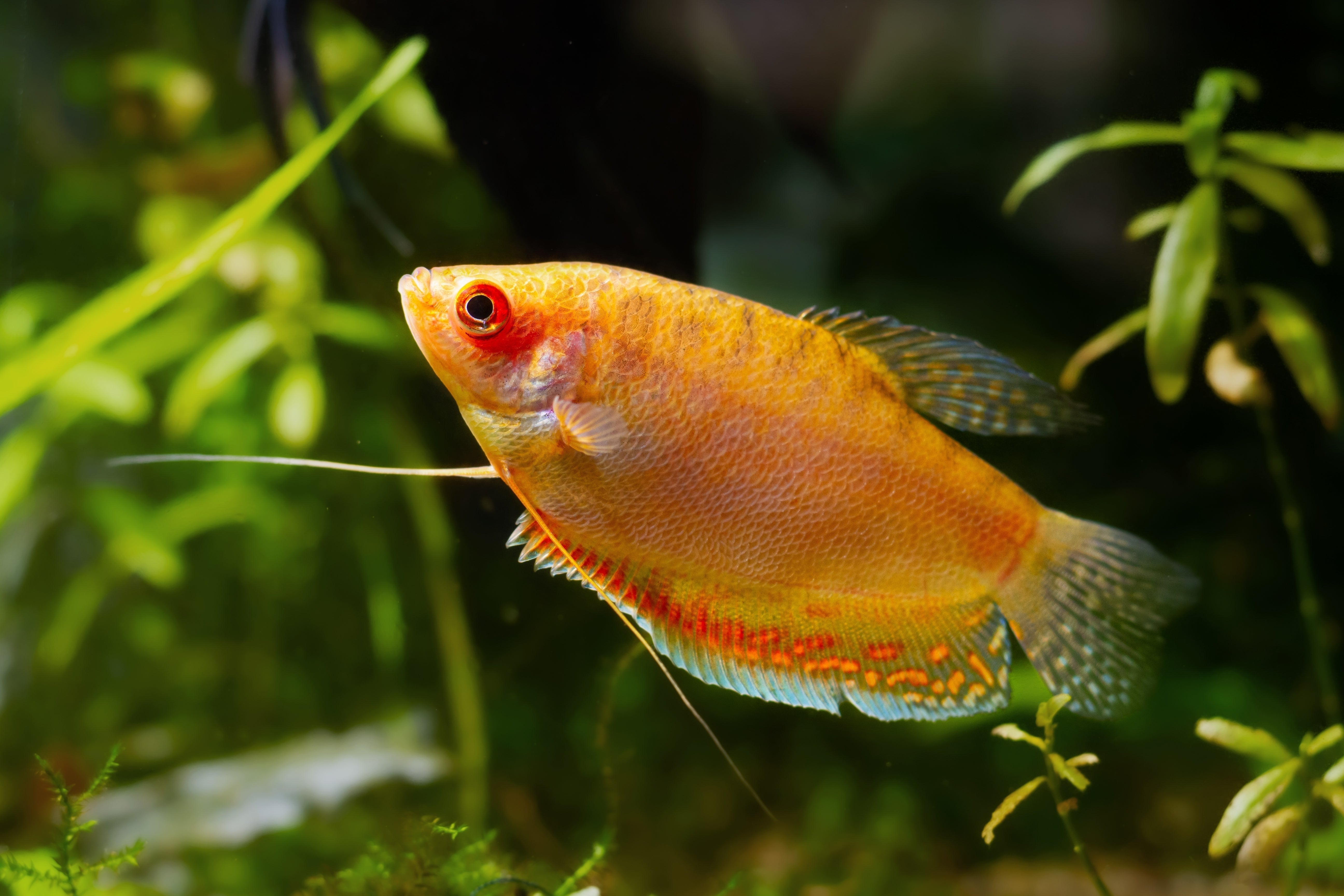
One of the smaller species of gourami, the honey dwarf gouramis display a warm gold to orange colour similar to honey. Despite being a generally peaceful species, their males can turn particularly aggressive in a closed-off tank space to assert their territorial rights. Growing only 2 inches in length, these gentle gourami types are perfect for nano aquariums and peaceful community setups. A Male honey dwarf gourami is much smaller than the females and has bolder colours.
Honey gouramis are notably shier than other gourami species, which explains why they prefer plenty of hiding spots and plants. In fact, the greater the cover, the more confident and visible they’ll become.
If you’re setting up a planted tank for your gouramis, explore our guide to the best freshwater aquarium plants for beginners for easy species that pair beautifully with gouramis.
8. Sparkling Dwarf Gourami
Originating from Southeast Asia, sparkling dwarf gouramis, also known as the pygmy gourami, are very small in size, less than 2 inches in length. Despite their diminutive size, these tiny gems command attention for their bold personalities and ability to blend in with other tank mates in nano tanks and planted aquascapes.
Although they are brown in colour, one can see hues of blue, green, and even red sparkling from their scales in the right light. They are very peaceful by nature, but can be more active than other species, making them a suitable addition to community tanks stocked with active fish of similar size. They also have blue fins with black spots, with a red line on the edge of each fin.

9. Pearl Gouramis
If you are into lighter options, then the white gourami will likely appeal to you as an alternative centrepiece. One such example is the pearl gourami, a Native of Thailand, Malaysia, and Indonesia, which is possibly the hardiest and easiest to care for in the gourami family. A highly adaptable variety, a single gourami fish can be accommodated in a bigger aquarium, like a 29-gallon community tank with several smaller fish. In case of a group of pearl gouramis, you will need at least a 55-gallon tank.
These elegant fish feature a distinctive pearl-like pattern across their bodies where tiny white spots resemble embedded gems. Apart from their large size, they are also graceful swimmers that make them excellent centrepiece fish for spacious aquariums. The males are typically larger and more colourful, with specifically longer dorsal and anal fins.
Because gouramis come from heavily vegetated, slow-moving waters, planting your tank correctly is key. Our detailed guide on freshwater plants and aquarium setups can help you build a natural, stable environment your gouramis will love.

10. Kissing Dwarf Gourami
The kissing gourami, or kissing dwarf gourami fish type, is a variant of the Helostoma temminckii species. This greenish or pinkish white fish serves as a popular food fish in its native range and is common in home aquariums.
Their famous ‘kissing’ behaviour, where two fish press their mouths together, isn’t a sign of affection. It’s actually a territorial display or feeding mechanism, though it makes for entertaining viewing. Nevertheless, it makes for an entertaining sight and makes these gourami aquarium fish conversation starters.

Choosing the Right Gourami for Your Tank – Dwarf Gourami Types
With so many dwarf gourami types available, selecting the perfect species depends on several factors:
Dwarf Gourami Types For Beginners:
- Honey dwarf gourami (peaceful, hardy)
- Pearl gourami (beautiful, relatively easy)
- Powder blue gourami (stunning colours, manageable)
For Small Tanks (10-20 gallons):
- Sparkling gourami
- Honey gourami
- Single dwarf gourami
Dwarf Gourami Types For Community Tanks:
- Pearl gourami
- Honey gourami
- Female powder blue gourami
For Experienced Keepers:
- Chocolate dwarf gourami (requires specific water parameters)
- Liquorice dwarf gourami (challenging blackwater species)
- Giant dwarf gourami (requires a massive tank)
For Maximum Colour Impact:
- Flame dwarf gourami
- Neon blue dwarf gourami
- Cobalt blue dwarf gourami
To delve further into what tank setup, diet, or behaviour is most suitable for a dwarf gourami, explore our Dwarf Gourami Care Guide to learn about essential care requirements.
Frequently Asked Questions About Gourami Fish
How Long Do Gourami Fish Live?
Most gourami fish have a lifespan of 5 years, typically 2-3 years on average, though this depends on the species. The giant gourami is one of the rare types that can live up to 20 years in the right environment.
Can Gourami Live With Bettas?
Since both are labyrinth fish, it’s generally not recommended to place them together to avoid territorial fights. The males are especially prone to aggression due to their similar body shape and colours to bettas.
Do Gouramis Need Air Pumps?
All gourmis have a labyrinth, which is an organ situated above the gills that they use to absorb oxygen from the air into their mouth. From there, the oxygen passes into the blood vessels and throughout the body, which removes the need for air pumps in their aquarium tank. While it isn’t a must-have, gentle filtration and surface agitation can be beneficial for overall tank health.
Why Is My Gourami Hiding?
New gouramis are naturally somewhat shy, especially honey gouramis, and often hide until they acclimate. It’s necessary to provide plenty of plants and cover, maintain stable water parameters, and avoid aggressive tank mates.
Can I Keep Multiple Male Gouramis Together?
This depends on your tank size and species. In tanks under 40 gallons, one male per tank works best, while larger, heavily planted aquariums can sometimes accommodate multiple males, but monitor closely for aggression.
What Do Gouramis Eat?
Gouramis are omnivores requiring varied diets for optimal health and colouration. Their staple diet should consist of high-quality flake or pellet food formulated for tropical fish, fed once or twice daily in portions.
Supplement with protein-rich frozen foods like bloodworms, brine shrimp, daphnia, and mosquito larvae 2-3 times weekly, as well as vegetable matter such as blanched zucchini, spinach, cucumber, or spirulina-based foods to support digestion.
What Are Signs of Healthy Gouramis?
Healthy gouramis look vibrant with fully extended, erect fins free from tears, fraying, or white spots. Their bodies are well-proportioned without bloating, pinching, or curved spines, with clear, bright eyes. Healthy Gouramis swim actively in the mid to upper water levels, occasionally rising to gulp air from the surface.
Conclusion
Gourami fish are sought after among aquarists eager to add bright dwarf gourami colours and interactivity to their underwater worlds. No matter what species you choose, take into account its care requirements and compatibility to ensure your gourami fish thrives for years. Ultimately, these fish will become true aquatic companions that recognise their owners and greet them, making them a source of joy and beauty.
Whether you’re captivated by the electric brilliance of neon blue dwarf gourami, charmed by the gentle nature of honey dwarf gourami, or drawn to the fiery intensity of flame dwarf gourami, a perfect gourami species is waiting to become the centrepiece of your aquarium.
Are you an aquarium hobbyist? Shop at your local fish shop today to get your hands on some of the rarest and mesmerising hese gourami freshwater fish for your tanks.
Looking to expand beyond freshwater? Don’t miss our 20 Best Saltwater Aquarium Fish for Beginners, perfect for new reef hobbyists.