
The ever-growing popularity of nano reef tanks has made it super easy for saltwater fishkeeping enthusiasts to set up their first reef tank on a budget. Next comes figuring out the easiest corals for beginners, which can be quite tricky.
Novice reefers often end up selecting the wrong corals that come in the way of their tank’s success. To avoid common early-stage errors, read our guide on beginner reef tank mistakes.
The good news is that you can start with beginner-friendly corals that are not only easy to find but also colourful, hardy, and well-adapted to reef tank conditions.
In this coral care guide, we have compiled a list of the easiest corals to keep, how to care for corals in an aquarium, and why we should care about coral bleaching.
What Is Coral Care? Elements of Beginner Coral Care Taking for Reef Tank Owners
Coral care refers to all that you need to do to ‘maintain corals in reef tanks.’ So that they can grow and thrive better. This includes a wide range of factors like lighting, water flow, feeding, and stable water parameters, all of which influence the survival and long-term growth of corals. It’s important to understand that corals are a peculiar species of living animals, not plants, and hence require specific conditions to thrive.
Offer A Balanced Light Spectrum
Since corals depend on their symbiotic algae (zooxanthellae) for food via photosynthesis, the light must provide the correct spectrum (mostly blue light) and intensity to stimulate this process.
Provide a Moderate, Steady Water Flow
Water movement is vital for reef aquarium corals as it brings food (plankton) and essential elements (calcium, alkalinity) while carrying away waste products.
Ensure Clean, Nutrient-Controlled Water
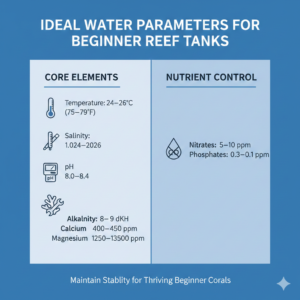
Too high concentrations of dissolved nutrients like Nitrate and Phosphate can fuel the growth of nuisance algae and cyanobacteria, which can quickly outcompete and smother slow-growing corals.
Maintain a Stable Temperature
Coral species are highly sensitive to temperature fluctuations. A sudden increase or decrease from the optimum range (24–26°C / 75–79°F) can cause temperature stress, leading directly to coral bleaching.
Infuse Essential Elements
Calcium and Alkalinity (dKH) are the two components of calcium carbonate, the building blocks of coral’s hard skeletons.
Prioritise Safe Tank Inhabitants
In a closed reef tank environment, aggressive fish or invertebrates (such as certain crabs, large shrimp, or predatory snails) can directly damage or consume corals.
Whether you want to learn how to take care of coral or identify the easiest species for beginners, it’s crucial to stay consistent and patient for the best results. To choose coral-safe species, you can explore our guide on the 20 Best Saltwater Aquarium Fish for Beginner Reef Hobbyists.
Best Corals For Nano Reef Tank: Easiest Corals for Beginners
If you’re keen to own your first reef tank, choosing easy soft corals can make your journey smoother and stress-free. Given below are the top soft corals for beginners to get you started:
Zoanthids
Zoanthids are highly popular soft corals for beginners because of the incredible variety of colours in which they appear. They are typically found in tight clusters of individual polyps bound by a shred of tissue that connects all of the polyps together.
Apart from being vibrant, these small polyps grow really fast and can tolerate a wide range of light and water quality. Ensure they are provided with moderate light to bring out the best colours, but keep them away from sensitive corals; some zoas spread quickly.

Mushroom Corals
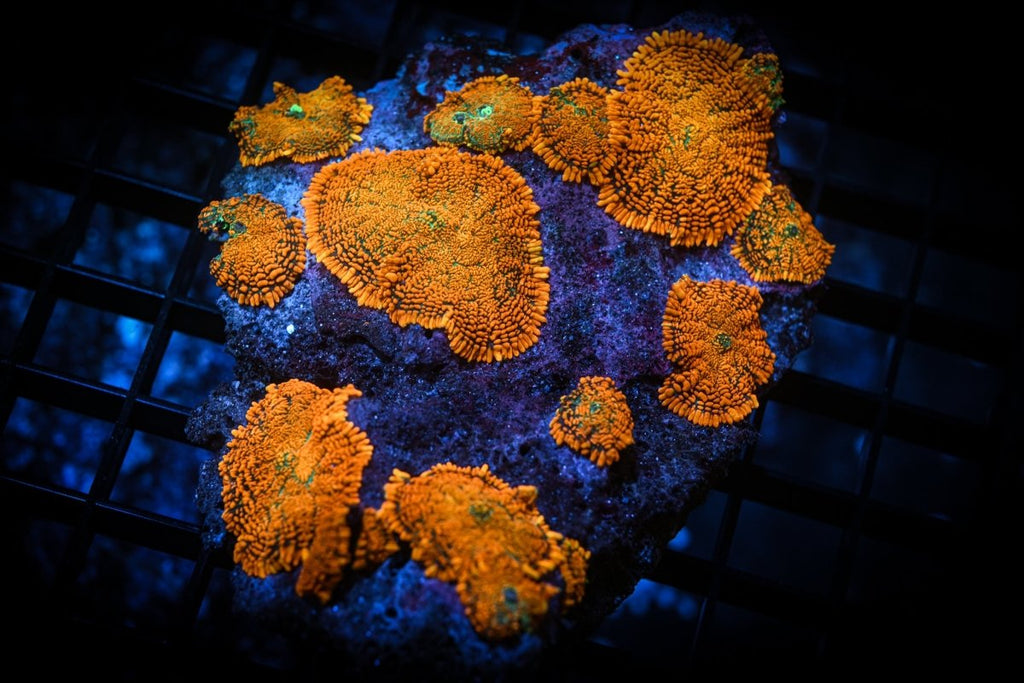
Mushroom corals refer to a broad category that includes species like Discosoma, Ricordea, and Rhodactis. This extremely beginner-friendly coral species is both affordable and widely available, with the potential to look stunning even under basic lighting setups.
What makes them ideal for new hobbyists is that they are tolerant of varying parameters and require little to no feeding. They multiply on their own and can grow quite fast, provided low to moderate light conditions and minimal water flow.
Sinularia
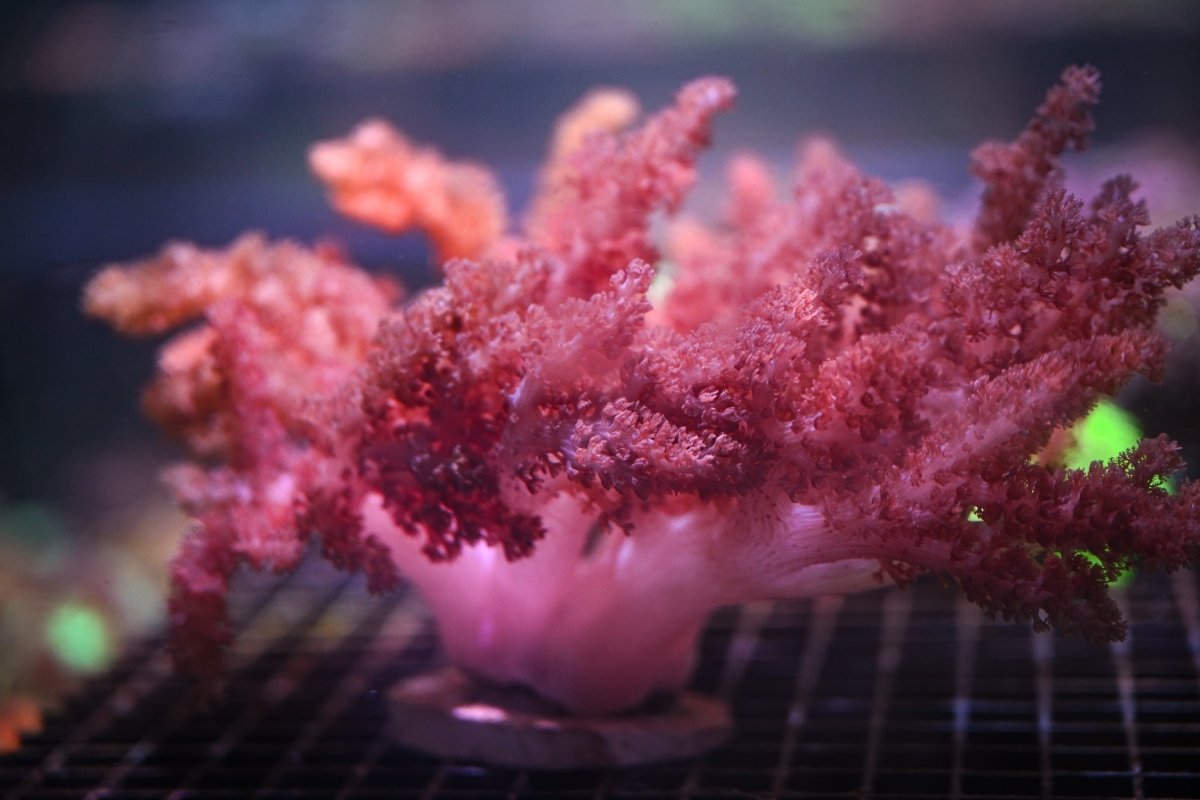
Another example of a soft coral, Sinularia, basically exists as large, leathery bases and often develops lobes, branches, or finger-like projections that look like trees. They are also found in pink, purple, red, yellow, and various shades of brown/beige shades with a tough, rubbery texture, and can sometimes feel slimy due to a protective mucus layer.
Since they can grow rapidly once settled and expand into colonies, you can control their growth by pruning them with scissors or coral shears. Unlike hard, stony corals, they do not build a rigid calcium carbonate skeleton. They adapt well to different lighting; moderate lighting is usually best for growth and good polyp extension.

Xenia – Reef Coral
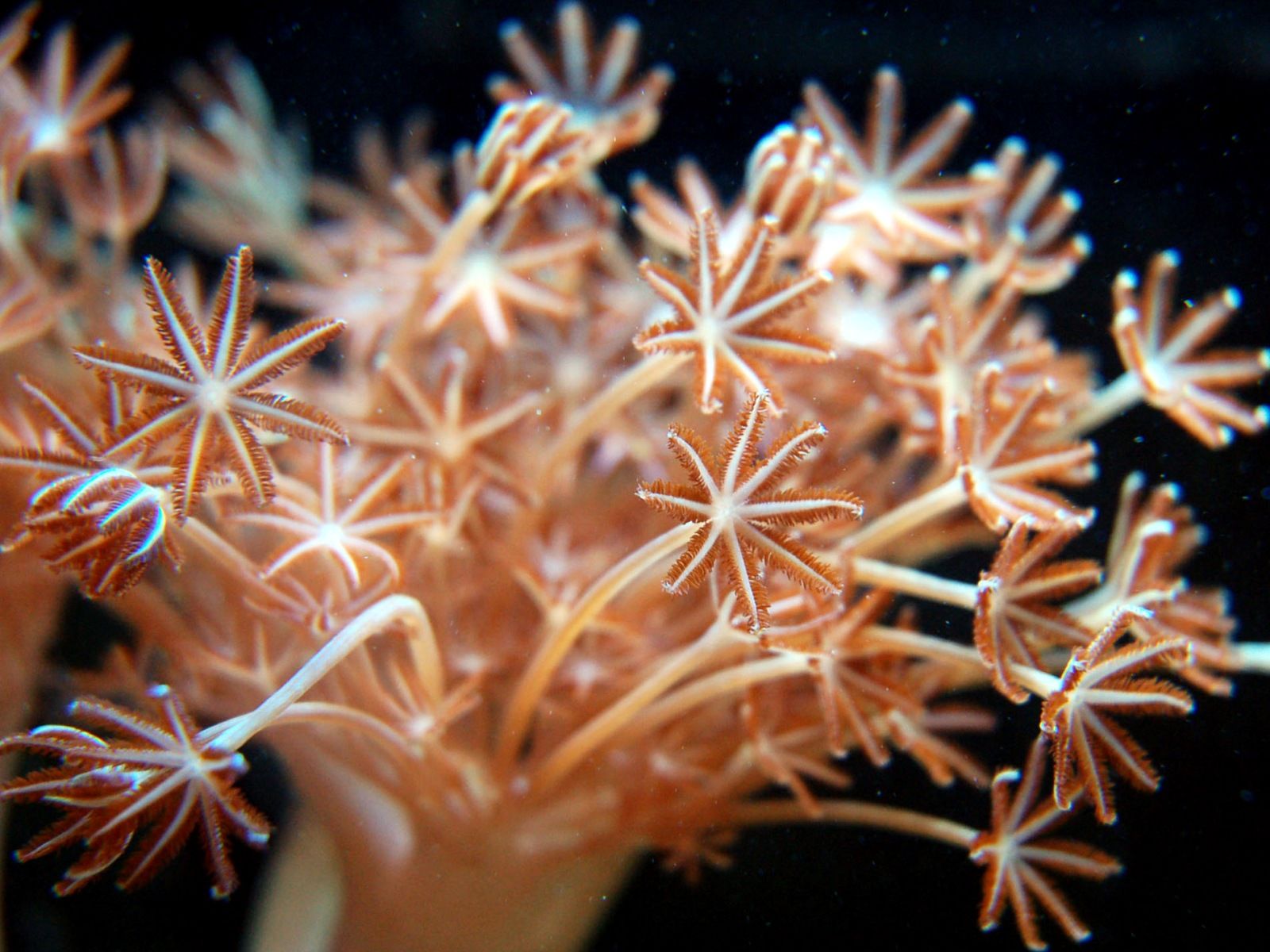
Among soft corals, Xenia is notorious for their fastest growth rates and is a great way to add motion and colour to your tank. They display a distinctive pulsating motion, whereby they rhythmically open and close their tentacles or “pulse,” as well as sway in the tanks.
Given their prolific growth, it is important to keep them isolated in colonies on islands or alongside a more aggressive coral to check their unwanted boom. Their hardiness makes them a beginner-friendly coral, requiring only Moderate light and water flow to stay healthy.
Kenya Tree Coral
Belonging to the genus Capnella, the Kenya tree coral is another good option in corals for beginners that comes in tree-like or candelabra shapes with white or cream polyps extending along the tips of branches. They tolerate a wide range of water conditions and are known to be very resilient to environmental changes.
Beyond that, they are one of the easiest corals to frag (propagate) simply by dropping small branches that land on the substrate and start a new colony. Their best growth and color are often achieved under moderate PAR levels, together with strong water flow.
Bubble Corals – Plerogyra Sinuosa
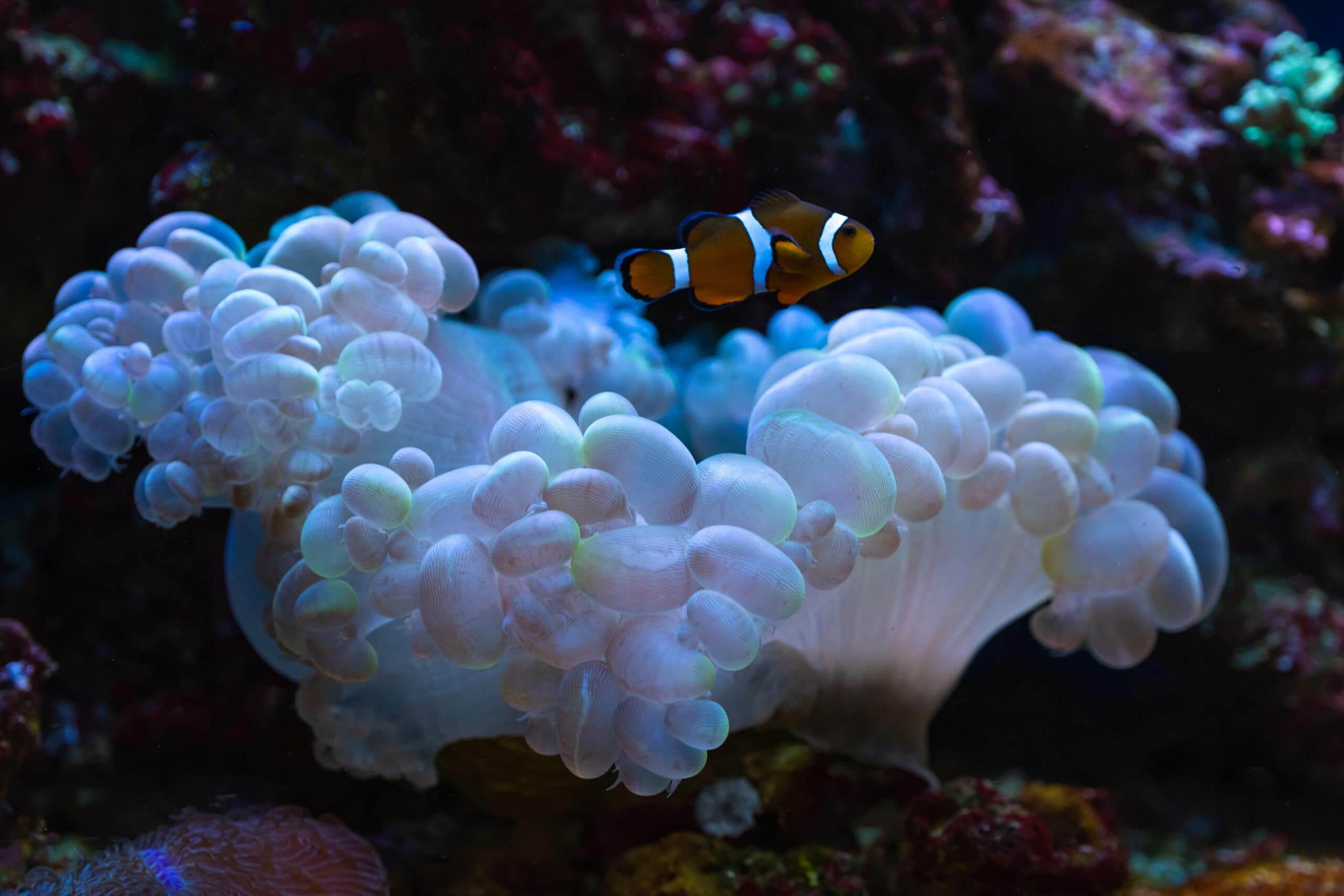
It gets its name, “bubbles,” are actually vesicles that inflate, usually during the day, to absorb the maximum amount of light and retract at night. The vesicles then take the form of shard skeletal septa and sweeper tentacles on the surface. Like Euphyllia (Hammer, Torch, Frogspawn), Bubble Coral is a Large Polyp Stony (LPS) coral that has large, fleshy polyps as its major highlight.
Available in common colours like white, light pink, and neon green, they offer different aesthetics for a stunning reef display. They are suitable for beginners as they are easy to moderate to care for and grow reasonably well as long as basic tank parameters are stable.
Candy Cane Coral Reefs
Appearing in vivid Green, yellow, and brown colours, candy cane coral can coexist peacefully with other large polyp stony corals despite their short sweeper tentacles. Popularly known as Trumpet Coral or Bullseye Coral, they look like a candy cane, thanks to their alternating stripes that glow in blue light.
They depend only on moderate light and water movement for their growth, and come in handy for beginners eager to try out fragging. Although it manufactures its own food via photosynthesis, feeding can speed up its growth.

Duncan Coral – Duncanopsammia axifuga
Part of the family Dendrophylliidae. Duncans are well-reputed to be beginner-friendly and easy to care for. These Large Polyp Stony (LPS) corals lack tinging sweeper tentacles and are generally peaceful, but require sufficient space for their branching growth pattern. They are ideally placed on stable rockwork or on the sand bed.
Like all LPS corals for beginners, Duncans require stable core elements to build their skeleton. They can be forgiving of minor fluctuations, but stability is key. They are adaptable but thrive best when placed on stable rockwork or on the sand bed where lightning isn’t that harsh. The water flow should be moderate, as too strong or direct a flow can cause tissue damage or prevent them from capturing food. The best approach is to start slow and let them acclimate to the conditions over time.

Interested in exploring the 10 best corals for nano tanks? Check our blog to learn about the best picks.
How to Care for Corals? (Step-by-Step Guide)
A key concern for novice reef keepers is understanding how to care for coral. Keep in mind this core checklist on how to take care of coral:
1. Maintain Stable Water Parameters
This is a golden coral care rule that every aquarist should follow. Corals thrive on stability, which means the surrounding reef environment should remain as close to the optimum parameters as possible. Even the easiest species can struggle if water fluctuates too fast.
For a deeper look at adapting aquatic species to aquarium environments, explore our guide on freshwater plants and reef tanks.
2. Provide the Right Lighting
Most reef keepers make lighting mistakes, especially when they are setting up aquascaping ornaments. Corals depend on symbiotic algae (zooxanthellae) as a source of their nutrition. The right lighting for corals is determined by the size and nature of a given coral. For example, soft corals thrive in low to moderate light, whereas LPS or large polyp stony have a calcium carbonate skeleton and large fleshy polyps that are best suited for moderate lighting. An SPS or small polyp demands high-intensity light due to its particularly hard skeleton.
3. Manage Water Flow
Another vital aspect of coral care is to keep the water flow at the right levels to drive away any excess dirt or residue from corals and provide a steady supply of oxygen. Different corals require different levels of water flow. For instance, soft corals prefer gentle, waving movement, whereas moderate flow works best to keep LSP polyps moving. Make sure to avoid exposing corals to the pressure of a direct stream, as it can be damaging to them.
4. Feed Coral on Time
Same as like your reef safe fish, your reef corals need food as well. And another way to care for soft corals and mushrooms is to feed them occasionally, preferably 1–2 times per week, in small amounts. They generally rely on good coral foods like
- Reef roids
- Phytoplankton
- Marine snow
- Amino acid reef supplements
What Is Coral Therapy?
Coral Therapy, also known as “coral restoration therapy,” refers to using coral reef restoration activities—reef cleaning, or caring for coral nurseries—as a therapeutic and environmental wellbeing practice. It helps participants connect with nature, reduce stress, and contribute positively to marine conservation.
Why Should We Care About Coral Reefs?
Besides their aesthetic function in aquariums, corals have a vital role to play in natural ecosystems.
1. They Support Marine Biodiversity
It’s striking to note that coral reefs are home to 25% of marine life despite covering less than 1% of the ocean floor.
2. Coastal Protection
Scientific studies indicate that Reefs reduce wave energy by up to 97%, serving as strong defences against coastal hazards. Without coral reefs, the cost of property damage and the need for artificial coastal defences like seawalls, rock barriers would soar by billions of dollars globally.
3. Economic Value
The beautiful white-sand beaches and warm, turquoise waters of the Coral reefs attract a huge number of tourists fascinated with these underwater marvels. Coral reef destinations are said to contribute an estimated $36 billion to the global economy annually, including both “on-reef” activities like diving and “reef-adjacent” tourism such as beaches and seafood.
4. Medical Research
Nicknamed the “medicine cabinet of the sea, coral reef organisms produce a variety of compounds recognised for their medical value. For instance, marine invertebrates, particularly sponges and tunicates (sea squirts), are the leading source of anti-cancer compounds.
The venom of a surprisingly small and dangerous reef predator, the cone snail, has been harnessed into a powerful, non-addictive painkiller. Reef life has provided key compounds that target viruses, proving effective against some of the most challenging pathogens.
5. Prevent Pests & Coral Wars
Corals possess long, sweeper tentacles that not only help them defend against predator attacks, but can also be used to sting other corals competing for food and territory. In the limited space of a glass box, this can trigger aggressive coral wars that can cause you to lose expensive livestock.
This can be avoided by taking the following precautions;
- Give LPS corals 3–5 inches of space, especially in the case of LPS (Large Polyp Stony) corals like Euphyllia, like Torches, Hammers, Frogspawn, and Bubble Corals.
- Instead of putting a new coral directly into your display tank, place it in quarantine in a small, separate tank for 30+ days.
- Look out for deadly pests like nudibranchs, flatworms, and aiptasia, as they can either prey on corals or sting them to death.
For more setup-related guidance, you can also explore the common aquascaping ornament mistakes reefers make.
Conclusion
Coral care is both an art and a science. Whether you’re learning how to care for coral, choosing the easiest corals to keep, or exploring why coral reefs matter to the world, you’re participating in a journey that connects aquarium hobbyists with global conservation.
By choosing starter corals for a reef tank, like zoanthids, mushrooms, and soft corals, you can enjoy a thriving reef tank while appreciating the beauty and fragility of real coral reefs. Understanding why we should care about coral reefs helps us appreciate and protect these ecosystems is critical to fuel action in conserving them, whether in our aquariums or across the world’s oceans.
FAQ’s on Corals and Coral Care
1. What is the easiest coral to take care of?
Easy Soft corals include Zoanthids, Green Star Polyps (GSP), and Kenya Trees as they adapt well to a variety of tank conditions and tolerate moderate nutrient levels that promote their growth.
2. Which coral is best for beginners?
The best beginner coral is often Green Star Polyps (GSP) because it’s hardy, fast-growing, and forgiving of small mistakes in lighting or water quality. Other strong beginner options include Toadstool Leather Corals, Zoanthids, and Mushrooms.
3. What are some beginner corals?
Beginner-friendly corals are those that are tolerant of beginner-level fluctuations and grow well in most stable reef tanks. Major examples include:
- Zoanthids (Zoas)
- Mushroom Corals (Discosoma, Rhodactis)
- Xenia
- Green Star Polyps (GSP)
- Leather Corals (Toadstool, Finger Leather)
- Candy Cane (Caulastrea)
- Duncan Coral
4. What should be my first coral?
A great choice for your first coral could be either Mushroom Coral or Zoanthids. They’re not demanding, don’t require expensive equipment, and help new reefers build confidence before moving on to LPS or SPS.
5. Is coral hard to take care of?
Coral care becomes much easier if your tank is stable. The challenge isn’t the coral itself, but maintaining consistent water parameters, proper lighting, and flow, followed by regular feeding and maintenance. Soft corals are easy; LPS are moderate, while SPS are most challenging. Choosing beginner corals removes most of the difficulty in setting up and managing your tank.
6. What is the easiest coral to care for?
The easiest corals overall are Green Star Polyps, Mushrooms, Zoanthids, and Xenia, as they require minimal feeding, accept a wide range of lighting, and grow well even in tanks with higher nutrients.
7. How to properly care for coral?
Proper coral care depends on achieving stable conditions and simple, consistent maintenance. For instance, water parameters shouldn’t deviate significantly from the recommended ranges, like salinity levels, temperature, lighting, and calcium and nitrates, to minimize stress.