
The Ultimate Guide to Fahaka Pufferfish Care Guide
While we love all pufferfish species, the Fahaka puffer fish is in a league of its own. When it comes to a list of aquatic pets, the fahaka pufferfish ranks among the topmost options. Lovingly known as the Water puppy, this fish boasts an expressive face and a lively personality, combined with the intelligence of a dog, which makes them a one-of-a-kind fish for aquarium tanks.
Don’t be fooled by their big, unusual eyes, as they are said to be specialised hunters with a bite like a bolt cutter. Here is everything you need to know about Fahaka pufferfish care, including Fahaka puffer tank size, Fahaka puffer diet, and other essentials.
Getting to Know the Fahaka Pufferfish: Origin, Size, and “Water Puppy” Personality
Scientifically known as the Tetraodon lineatus, the Fahaka pufferfish is called by various names, such as the Nile Pufferfish or Globe Pufferfish. One of the largest freshwater pufferfish, it can reach up to 43–45 cm in length and typically resides in large rivers and weedy marshes. It features brown and yellow horizontal stripes across its body, which enable it to camouflage and blend into the reeds.

Its independent, engaging personality, coupled with its predator instinct, makes it both a rewarding centrepiece and a challenge in the aquarium hobby. Originally hailing from the waters of Africa, it primarily feeds on nails, crustaceans, and other hard-shelled invertebrates.
Ideal Fahaka Pufferfish Reef Tank Setup: Planning for a Giant
Most beginners come in for a huge shock when they observe how fast a Fahaka puffer grows. While a juvenile fahaka may easily fit in a 20-gallon tank today, it’s only a matter of time before Fahaka puffer size extends to 8 inches (45 cm) in length within a few years.
The best tank for fahaka is one that gives them ample space to grow and thrive. Keep these factors in mind for your Fahaka puffer tank setup.
Minimum Tank Size -Fahaka Pufferfish
A 120-gallon tank is the absolute minimum for an adult, though a 180-gallon (6-foot) tank is much better to keep them healthy and active in the long term.
Tank Water Filtration
Puffers are “messy” eaters, which results in a high bioload. This makes it necessary to include Fahaka puffer filtration, preferably by installing a high-quality canister filter or a sump system. The system you choose should be rated for twice your tank’s actual volume.
Substrate for Tank Aquascaping
Use fine sand as your lower surface, as Fahakas love to “wallow” or bury themselves in the substrate while waiting for their prey. Sharp gravel can scratch their sensitive bellies and lead to infections.

Aquascaping Decor for Fahaka Pufferfish Lifespan
Use large, natural pieces of driftwood and rockwork along the back and corners of the tank to create effective sight breaks. These structures block direct lines of sight, which helps reduce territorial aggression and stress—especially in community or semi-aggressive setups—by allowing fish to establish visual boundaries and retreat zones.
At the same time, keep the central area open and uncluttered to provide ample swimming space. An open center encourages natural schooling behavior, improves overall flow and oxygen circulation, and makes the tank feel larger and more balanced. This layout also enhances viewing from the front, giving you a clean focal area while the background hardscape adds depth, structure, and a more natural aquascape aesthetic.
If planted, you can reinforce this effect by placing taller plants behind or between the hardscape and keeping low-growing or carpet plants toward the front and center, maintaining both function and visual harmony.
5 Types of Fahaka Pufferfish – Species of Fahaka Pufferfish
While there is only one true species of Fahaka Puffer (Tetraodon lineatus), hobbyists and retailers often classify them based on the regions they belong to and their colour morphs. Widely hailed as the crown jewels of large freshwater setups, these Nile Puffers are known as much for their striking “tiger stripes” as their incredible intelligence.
1. The Standard “Nile Fahaka” – The Giant Fahaka Pufferfish
The most iconic variant features deep horizontal stripes of charcoal and gold that stretch across its massive body. This Fahaka fish is known to be full of energy and hence requires a 120-gallon tank minimum to move around freely. Its diet primarily comprises hard-shelled mollusks to keep its ever-growing teeth in check.

2. The “Red-Eye” Fahaka Fish Variant
Highly sought after by collectors, this variant displays an intense, ruby-red iris in sharp contrast to its yellow-green skin. These individuals often exhibit more aggressive hunting behaviors, making them a thrilling display for advanced keepers. Their visual acuity is top-tier, allowing them to track movement across a room and recognize their owners instantly.
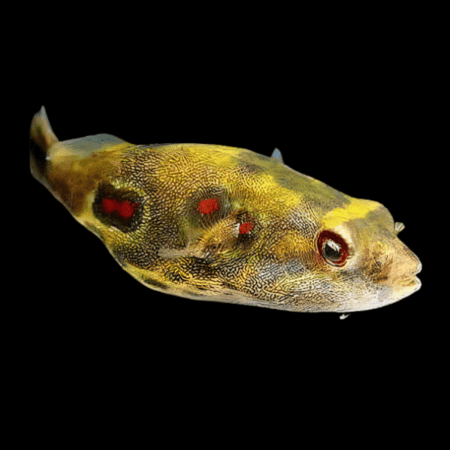
3. The Lack “Turkana” Locality Fish
Originating from the unique ecosystem of Lake Turkana, these puffers are found in a muted, “dusty” color palette, while the bands are irregular and much broader. As compared to river-dwelling inhabitants, they are exceptionally hardy and able to adapt to slightly varying water parameters.
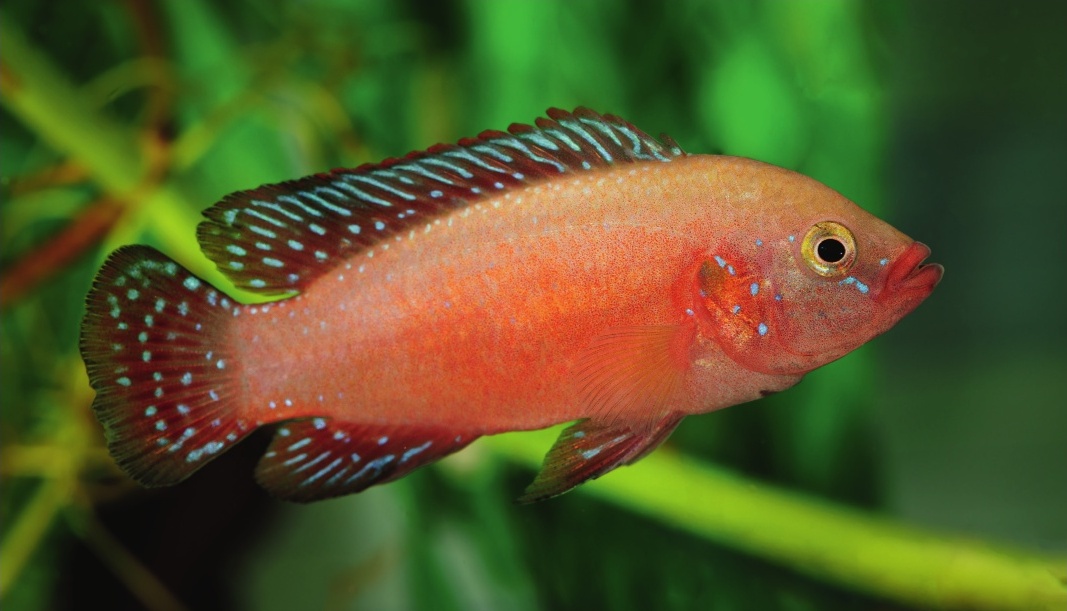
4. The Golden Morph Fahaka Fish
“Golden” Fahaka are a rare breed with a dark, stunning, bright lemon-yellow base appearance. These fish command attention for their radiant glow, making them the ultimate showpiece for a high-end aquarium business. They rapidly puff water or air into their bodies, which turns them into a large, spiky ball to make them less appetizing for surrounding predators.

5. The Juvenile Fahaka Fish “Marbled” Phase
Though not a separate species of Fahaka pufferfish, juveniles pufferfish come with stripes that are different from the linear pattern seen in adult species. In this stage, they exhibit a beautiful mosaic of spots and broken lines that look much like marbles. Hobbyists find it rewarding to observe this chaotic pattern transform into the sleek, authoritative stripes of an apex predator as they mature.

Fahaka Pufferfish Tank Mates and Temperament: The “Species-Only” Rule
Fahaka Pufferfish must always be kept alone. This is because they are such aggressive hunters that they can turn any tank into a snack. These pufferfish are also highly unpredictable, so you can’t tell when a seemingly peaceful Fahaka living with a school of dither fish for a year will snap and attack their tank mates.
A Fahaka Puffer is aided by their strong beak, which can bite a smaller fish in half instantly. If you intend to try Fahaka pufferfish tank mates, consider keeping them in massive set-ups with very fast-moving fish like Silver Dollars, but always have a backup plan.

Fahaka Pufferfish Diet – What’s Included in the Fahaka Puffer Diet?
In the wild, Fahakas are mollusc-eaters like insect larvae and small crustaceans. When kept in captivity, diet is the most expensive and time-consuming part of Fahaka puffer care.
The Tooth Problem
Fahaka puffer teeth are continuously growing. If they don’t consume hard-shelled foods, their teeth will eventually “lock” shut, preventing them from eating. They would then have to be manually clipped, which is a stressful and dangerous process.
What to feed these Pufferfish – Fahaka Fish Diet:
- Hard Shells (Essential): Snails (Ramshorn, Mystery, or Apple), unpeeled shrimp, crayfish, and small crabs.
- Meaty Foods: Frozen krill, silversides, clams on the half-shell, and earthworms.
- Frequency: Juveniles should be fed daily, whereas Adults should be fed every other day to prevent obesity.
Never feed your Puffer “feeder fish” from a pet store. These are often riddled with parasites that can kill your Fahaka.
Maintaining Water Quality for Scaleless Fish
Since Fahaka Puffers have no scales on the outer surface, they are incredibly sensitive to changes in water quality and medications. Nitrate levels should ideally always be kept under 20 ppm.
Check out our guide on how to set up a freshwater aquarium for a step-by-step breakdown.
Health and Disease Management for Fahaka Pufferfish
The fact that the Fahaka Pufferfish is a scaleless freshwater fish, it is prone to “Ich”, a white spot disease, as well as internal parasites. Almost all Fahakas are wild-caught, which is why it is essential to deworm any newly arrived Fahakas using puffer-safe medications like Praziquantel.
An unhealthy Fahaka pufferfish also shows certain signs of stress, like sitting lethargically in a corner for days or suddenly taking on a darker hue. If you find this happening, check your ammonia levels immediately.
Is a Fahaka Puffer Right for You?
Before you rush to get your first Fahaka puffer from your local fish store, ask yourself these questions related to Fahaka puffer care:
- Can I afford a 150-gallon setup?
- Am I prepared to source live snails and crayfish weekly?
- Do I have 20 years to dedicate to one pet? (Yes, they are long-lived!)
If the answer to these questions is yes, then you are well-equipped to make these fish a part of your family and enjoy their presence right before your eyes.
Conclusion – A Care Guide on Fahaka Pufferfish
At the end of the day, the Fahaka Puffer fish isn’t just another addition to an aquarium—it represents commitment to a decade-long friendship. On the face of it, one may get daunted by the Fahaka puffer fish diet and massive Fahaka puffer tank setup requirements, but you will be ultimately rewarded with a “water puppy” that truly connects with its owner in a way few other fish can.
At Reef KG, we believe that monster keeping is about more than just size; it’s about providing the specialized care these intelligent giants deserve.
Master water parameters like the pros. Join our growing community of aquarists who use data-driven insights to provide specialized care these intelligent giants deserve and keep their tanks thriving—whether reef or monster fish setups.
Frequently Asked Questions About Fahaka Puffer Fish
Is a Fahaka puffer aggressive?
Yes, the Fahaka puffer is highly aggressive and territorial. While juveniles may appear calm, they become predators as they mature with their strong beaks capable of seriously injuring or killing tank mates.
Can the Fahaka puffer live with other fish?
In most cases, no. Fahaka puffers are unpredictable and may attack other fish without warning. Even after long periods of peaceful coexistence. Although some aquarists attempt tank mates in very large aquariums with fast, robust fish, a Fahaka puffer species-only setup is strongly recommended.
How big does a Fahaka puffer get?
A fully grown Fahaka puffer can reach 17–18 inches (43–45 cm) in length. They grow quickly during their first few years, which requires planning for a large, permanent tank early on.
Best tank size for Fahaka puffer
The minimum tank size for an adult Fahaka puffer is 120 gallons. But a 180-gallon (6-foot) tank or larger is ideal for long-term health and natural behavior. Large tanks also help manage waste, as Fahakas produce a heavy bioload.
What do Fahaka puffers eat?
Fahaka puffers require a shell-based diet to naturally wear down their continuously growing teeth. Their diet should include Snails, unpeeled shrimp, Crayfish, and small crabs alongside frozen foods like krill, clams, and silversides.