
Reef tank dosing is one of the most critical aspects of maintaining a healthy reef aquarium. It involves adding essential elements such as calcium, alkalinity, magnesium, and trace elements to keep your reef tank stable and thriving.
Corals continuously consume these elements, which means your water chemistry is always changing. Without proper dosing, reef tank parameters can quickly become unstable, leading to poor coral growth, stress, and even tank failure.
This guide will help you understand reef tank dosing, how to do it correctly, and how to maintain long-term stability using the right dosing strategy and tools.
Dosing is necessary because corals and other reef organisms constantly consume key elements from the water.
Without regular replenishment:
Proper reef tank dosing ensures that your reef tank remains stable, balanced, and capable of supporting healthy coral growth.
To maintain ideal reef tank parameters, you must regularly dose the following:
Calcium is essential for coral skeleton formation and growth. Low calcium levels can slow or stop coral development.
Alkalinity stabilizes pH and supports coral calcification. It is one of the most important parameters in reef keeping.
Magnesium helps maintain proper calcium and alkalinity balance, preventing unwanted precipitation.
Trace elements such as iodine, potassium, and strontium support coral coloration and overall health.
Reef tank dosing replaces the elements that corals consume daily.
A typical dosing process includes:
Consistency is the key to success in reef tank dosing.

Dose small amounts regularly instead of large, irregular doses.
Always test your water before making adjustments to avoid overcorrection.
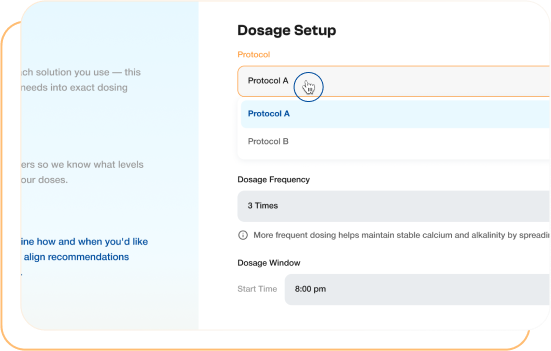
A proper dosing schedule reef tank strategy ensures stability and predictable results.
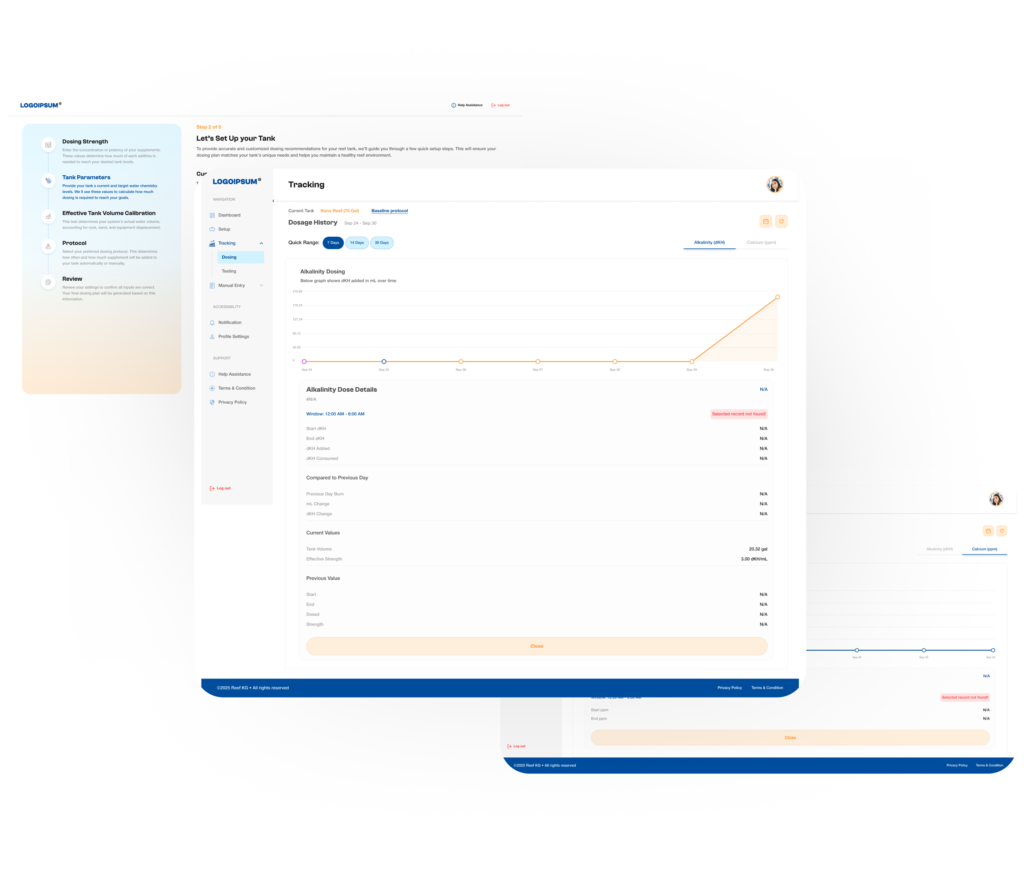
A reef dosing calculator helps determine precise dosing amounts based on your tank size and water parameters.
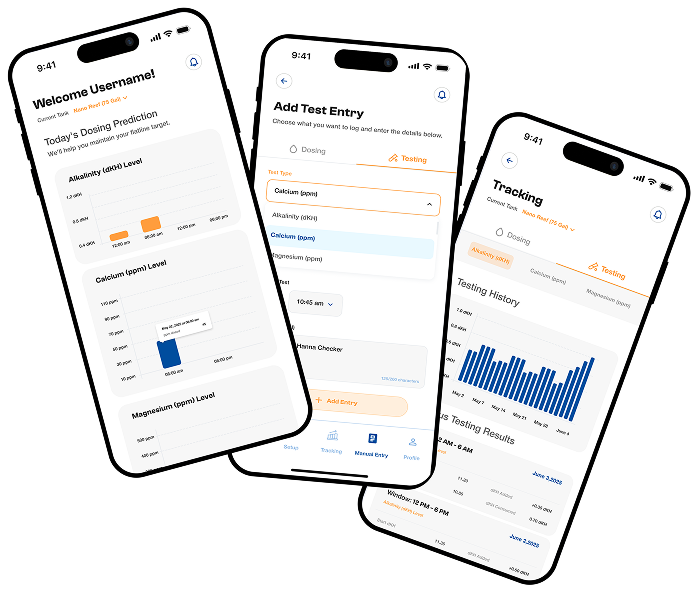
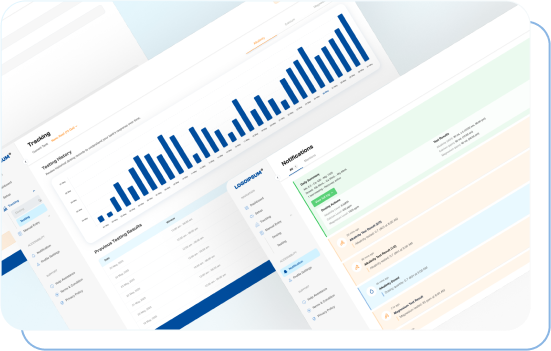
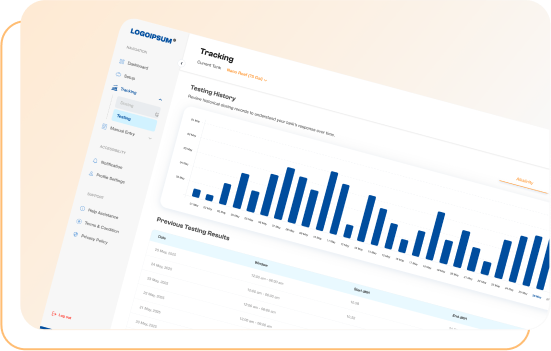
Monitoring trends helps you understand how your tank consumes elements.
Automation is becoming essential in modern reef keeping.
An automatic reef dosing system helps:
Using automation ensures long-term stability and healthier coral growth.
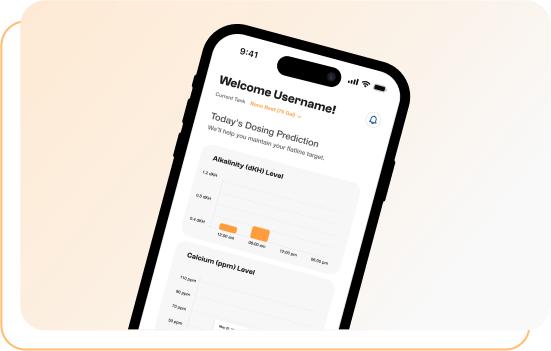
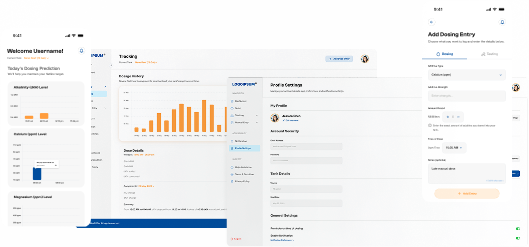
Many reef keepers also use a reef tank app to monitor parameters, track dosing, and automate decisions.
There are several dosing methods used in reef aquariums:
Simple and cost-effective, but requires discipline and consistency.
Balances calcium and alkalinity through separate solutions.
Uses calcium hydroxide to maintain calcium and alkalinity levels.
An advanced dosing system used for precise control of reef chemistry.
Each method has its own advantages depending on your tank size, experience level, and coral demand.
Avoid these common mistakes that can harm your reef tank:
These mistakes can lead to parameter instability, coral stress, and long-term damage

Watch for these warning signs:
Early detection allows you to correct issues before they become serious.
If you are new to reef tank dosing, follow this simple approach:
Consistency and patience are key to building a stable reef ecosystem.
To build a complete reef system, explore these related guides:

Reef tank dosing is the process of adding essential elements like calcium, alkalinity, and magnesium to maintain stable reef tank parameters and support coral growth.
Dosing frequency depends on your tank size and coral load. Many reef keepers dose daily in small amounts to maintain stability.
The best method depends on your setup. Common methods include manual dosing, two-part dosing, kalkwasser dosing, and balling method.
An automatic reef dosing system is highly recommended for maintaining consistency, reducing human error, and improving long-term stability.
Yes, a reef dosing calculator helps determine the exact amount of supplements needed, making dosing more accurate and safe.
Reef tank dosing is the foundation of a stable and thriving reef aquarium. By maintaining consistent dosing, using the right methods, and monitoring your water parameters, you can create a healthy environment where corals flourish.
For best results, combine proper dosing practices with automation and tracking tools. A reef tank app can help simplify the process, reduce errors, and ensure long-term reef stability.