
Stable reef tank parameters are the foundation of a successful reef aquarium. Even small fluctuations can stress corals, disrupt biological balance, and lead to long-term damage.
Maintaining consistent water chemistry is far more important than chasing “perfect” numbers. In reef keeping, stability always wins.
This guide explains the ideal reef tank water parameters, why they matter, how to maintain them, and how to detect problems early.
To maintain a healthy reef ecosystem, your water chemistry should stay within these ranges:
These parameters directly impact coral growth, skeletal formation, and overall reef stability.

Many beginners focus on achieving exact numbers, but reef tanks respond better to stability.
Corals can adapt to slightly higher or lower values, but they cannot tolerate rapid changes.
Sudden swings in:
can quickly lead to coral stress or even a tank crash.
A stable environment supports:
Consistency is the real goal, not perfection.

Test your water regularly to track changes over time. Focus on:
Frequent testing helps identify small changes before they become serious problems.
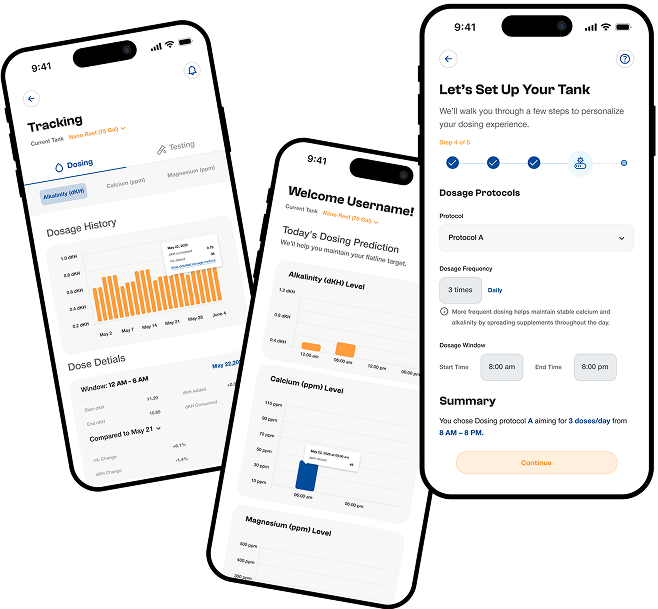
Corals consume calcium and alkalinity daily. To maintain balance:
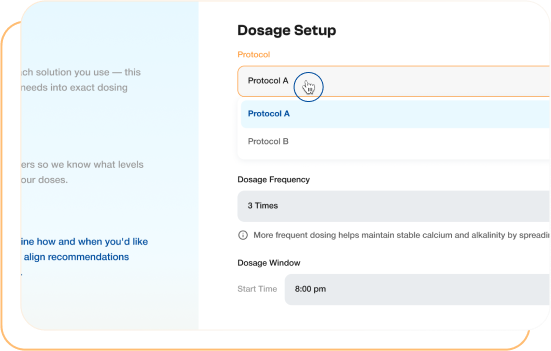
Controlled dosing prevents parameter swings and supports coral growth.
A strong filtration system helps maintain water quality by:
Good filtration keeps your reef environment stable and clean.
Modern reef keepers use automation to maintain consistency.
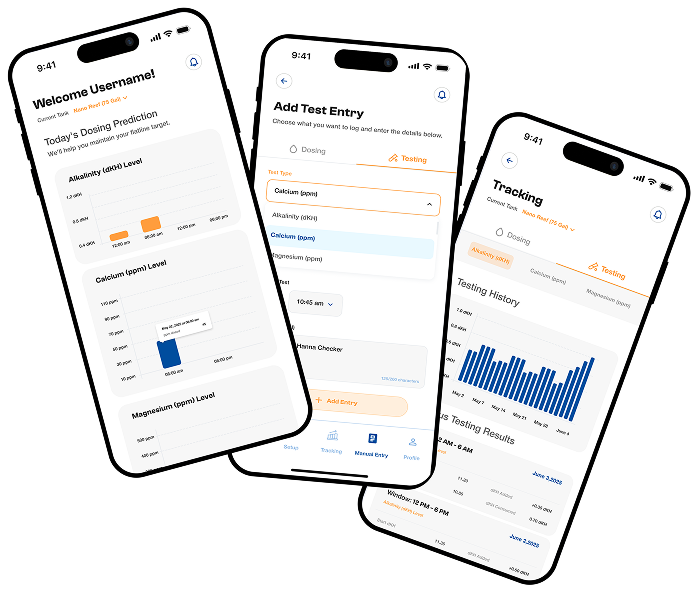
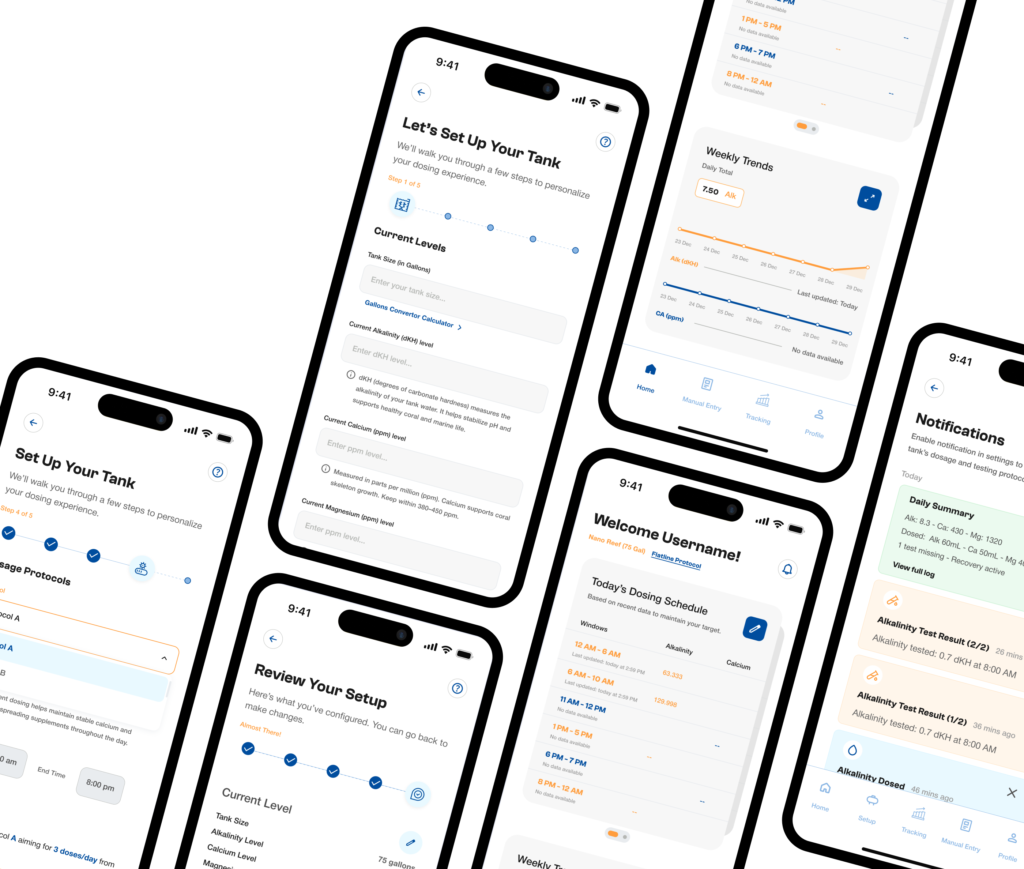
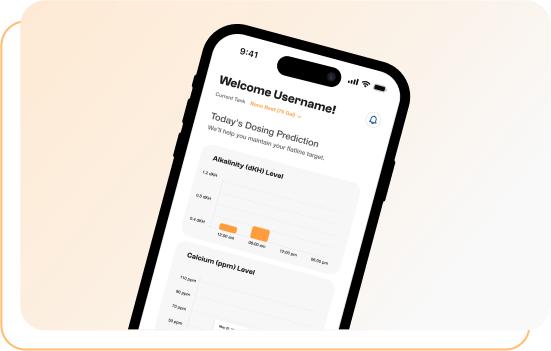
A reef tank tracking app allows you to:
Automation reduces human error and keeps your reef more consistent.
Early detection is critical. Watch for these warning signs:
Loss of color in corals often indicates stress caused by unstable parameters.
If corals stop growing, your calcium or alkalinity levels may be imbalanced.
Excess nutrients or poor parameter control can lead to unwanted algae growth.
Erratic behavior, hiding, or lack of appetite can signal poor water quality.
To maintain accuracy:
Tracking your data over time helps identify patterns and prevent issues.
Avoid these common errors:
Consistency and patience are key to success.
Maintain a regular testing schedule
Dose in small increments
Keep equipment clean and calibrated
Avoid sudden changes in salinity or temperature
Many reef keepers rely on a reef tank app to simplify tracking and improve accuracy.
To strengthen your reef system knowledge, explore:

Ideal reef tank parameters include pH between 8.1 to 8.4, alkalinity between 7 to 11 dKH, calcium between 400 to 450 ppm, magnesium between 1250 to 1350 ppm, and salinity between 1.023 to 1.025.
The full setup process, including cycling, typically takes 2–6 weeks before adding livestock.
Beginners should test several times per week, while experienced reef keepers can test weekly once stability is achieved.
Common causes include improper dosing, overfeeding, poor filtration, and sudden water changes.
Yes, a reef tank app helps track, log, and analyze water parameters, making it easier to maintain long-term stability.
Maintaining stable reef tank parameters is the most important factor in reef keeping success. Focus on consistency, proper testing, and controlled dosing rather than chasing perfect numbers.
A stable reef tank leads to healthy corals, balanced water chemistry, and a thriving underwater ecosystem.