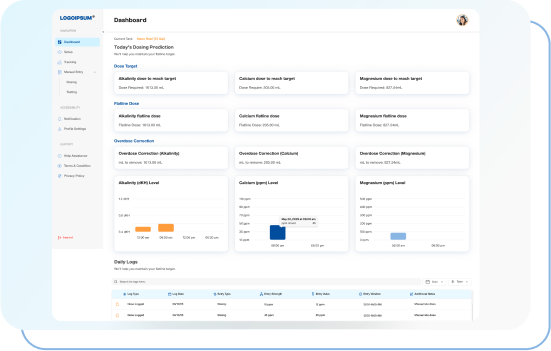
Reef Tank Problems and Solutions: How to Fix Common Reef Tank Issues

Reef tank problems are usually caused by instability in water chemistry, improper dosing, or lack of consistent maintenance. Even small imbalances can affect coral health, fish behavior, and overall tank performance.


This guide explains the most common reef tank problems and solutions, along with simple steps to identify issues, fix them, and prevent future instability.

What Are the Most Common Reef Tank Problems?

The most common reef tank problems include:

  • Low pH

  • Low alkalinity

  • Low calcium

  • Reef tank parameter swings

  • Algae outbreaks

  • Coral bleaching

These issues typically occur when reef tank parameters are not stable or are not monitored regularly.
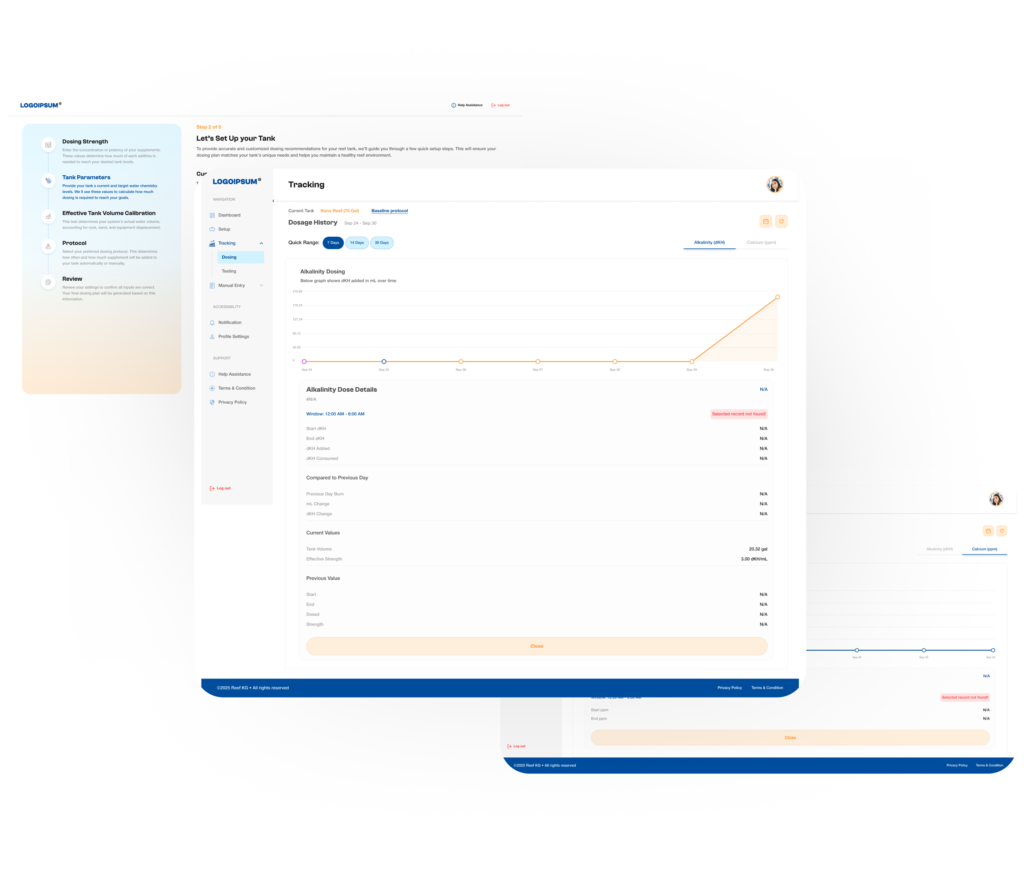
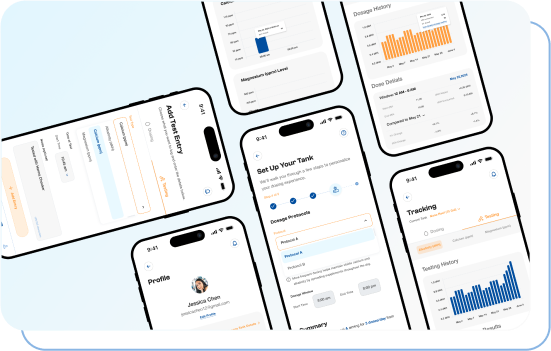
How to Fix Reef Tank Problems

To fix reef tank problems, follow these steps:

  • Test all water parameters

  • Identify the root cause

  • Make small and controlled adjustments

  • Maintain a consistent dosing routine

  • Monitor changes over time

Consistency is the key to restoring and maintaining reef tank stability.

Why Reef Tank Stability Matters

Reef tank stability is more important than achieving perfect numbers.

Corals and marine life rely on consistent conditions to survive and grow.

Unstable conditions can lead to:

  • Coral stress or bleaching


  • Slow or halted growth


  • Algae growth


  • Tank imbalance


 Stable reef tank parameters create a healthy and long-lasting ecosystem.
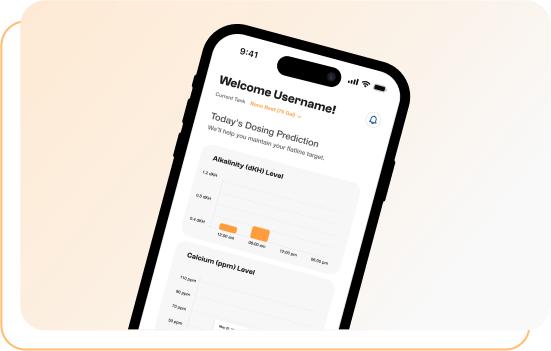
Common Reef Tank Problems and Solutions

Low pH Reef Tank

Low pH can negatively impact coral growth and overall water stability.

Causes:

  • Poor aeration


  • High carbon dioxide levels


  • Low alkalinity


Fix:

  • Improve surface agitation


  • Increase aeration


  • Maintain proper alkalinity levels

Low Alkalinity Reef Tank Fix

Low alkalinity leads to unstable pH and poor coral growth.

Causes:

  • Insufficient dosing


  • High coral consumption


  • Infrequent testing


Fix:

  • Dose alkalinity slowly


  • Use a reef dosing calculator


  • Test parameters regularly

Reef Tank Parameter Swings

Parameter swings are one of the most dangerous reef tank problems.

Causes:

  • Sudden dosing changes


  • Overcorrection


  • Inconsistent maintenance

Fix:

  • Make gradual adjustments


  • Maintain a stable dosing schedule


  • Avoid sudden changes

Low Calcium Reef Tank

Low calcium affects coral skeleton formation and growth.

Causes:

  • High coral demand

  • Lack of calcium dosing

  • Imbalanced parameters

Fix:

  • Increase calcium dosing gradually

  • Maintain alkalinity balance

  • Monitor regularly

How to Troubleshoot Reef Tank Problems

Step-by-Step Reef Tank Troubleshooting

  1. Observe symptoms in corals and fish

  2. Test all water parameters

  3. Compare results with ideal ranges

  4. Identify the root cause

  5. Adjust slowly and carefully

  6. Monitor results over time

 Always focus on fixing the cause, not just the symptoms.

How to Prevent Reef Tank Problems

Prevention is the best way to maintain a healthy reef tank.

  • Test water regularly

  • Maintain consistent dosing

  • Avoid sudden changes in parameters

  • Keep equipment clean and calibrated

  • Track parameter trends over time

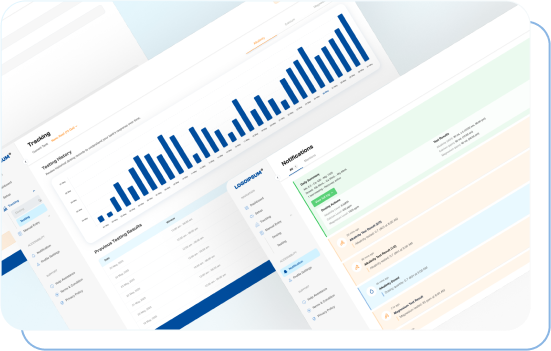
 Many reef keepers use a reef tank app to monitor and prevent problems early.
Signs Your Reef Tank Has Problems

Watch for these early warning signs:

  • Coral bleaching or discoloration

  • Slow or no coral growth

  • Algae growth increase

  • Fish stress or hiding behavior

  • Cloudy or unstable water

Early detection allows faster and easier fixes.

How to Get Started with Reef Tank Dosing

If you are new to reef tank dosing, follow this simple approach:

  1. Set up your reef tank properly

  2. Test water parameters regularly

  3. Start with small, controlled dosing

  4. Use a reef dosing calculator for accuracy

  5. Track changes and adjust gradually

Consistency and patience are key to building a stable reef ecosystem.

Build a Complete Reef Tank System

To build a complete reef system, explore:
faq overlay image

Frequently Asked Questions

The most common reef tank problems include low pH, low alkalinity, low calcium, parameter swings, and algae outbreaks.

Reef tank instability is usually caused by improper dosing, lack of testing, sudden parameter changes, and inconsistent maintenance.

To fix reef tank problems, test water parameters, identify the root cause, and make small, controlled adjustments while maintaining consistency.

Stability is important because corals rely on consistent water chemistry to grow and survive. Sudden changes can cause stress and damage.

Yes, automation helps maintain consistent dosing, reduces human error, and improves long-term reef tank stability.