
Setting up a reef tank isn’t just about adding water and fish. It’s about building a stable, self-sustaining ecosystem where corals, bacteria, and marine life work in balance.
A properly planned reef aquarium setup prevents costly mistakes, reduces maintenance issues, and creates the ideal environment for long-term coral growth.
This complete reef tank setup guide walks you through everything from choosing equipment to cycling your tank and maintaining stable water parameters.
A reef tank is far more sensitive than a freshwater aquarium. Even small mistakes during setup can lead to:
A well-structured setup ensures:
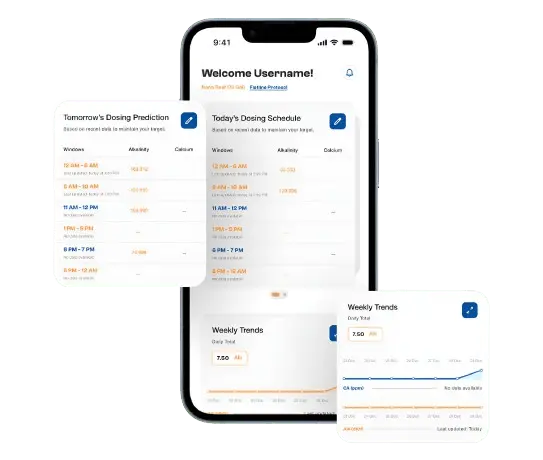

A successful reef aquarium setup starts with the right equipment. Each component plays a critical role in maintaining water chemistry and stability.
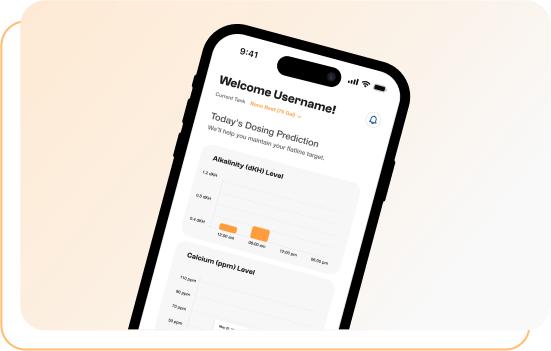
For better control, many hobbyists now use a reef tank app to track parameters, automate dosing, and monitor tank health in real time.
Your tank size impacts stability and difficulty level.
Beginners should start with a 20–40 gallon reef tank for easier parameter control.
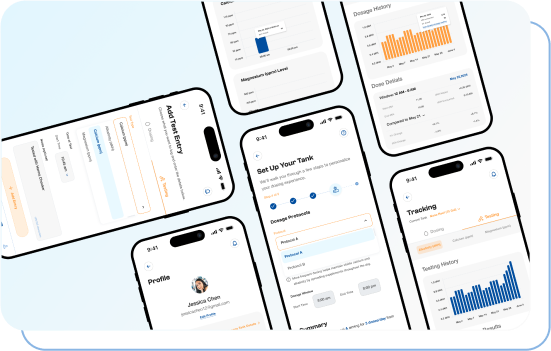
Select high-quality equipment that matches your tank size. Avoid undersized filtration systems, as they lead to long-term problems.
Live rock is essential for biological filtration. It hosts beneficial bacteria that break down waste.
Use RO/DI water mixed with marine salt to achieve proper salinity.
Cycling establishes beneficial bacteria through the nitrogen cycle.
Typical timeline:
The reef tank cycling process is complete when ammonia and nitrite drop to zero.
Testing is critical during setup. Track:
A reef monitoring app helps track trends, log data, and avoid beginner mistakes.
Once the cycle is complete:
Stability is more important than speed.
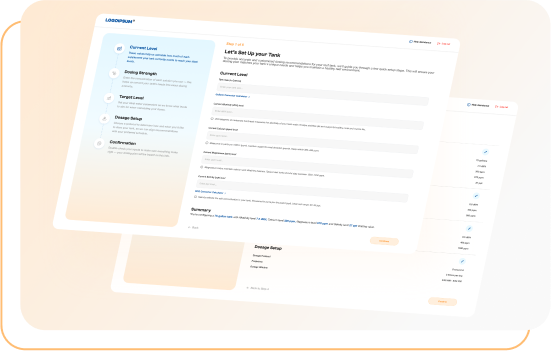
Maintaining stable parameters is the key to long-term success.
Avoid these beginner errors:
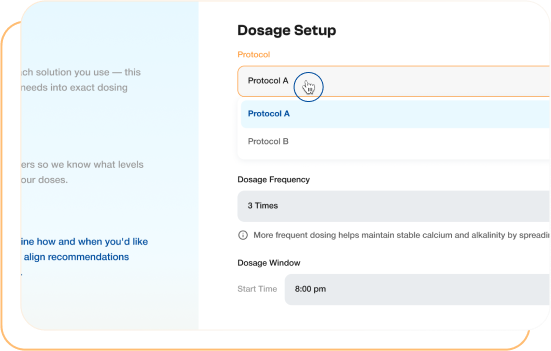
Modern reef keepers rely on a reef tank tracking app to maintain consistency and prevent issues before they escalate.
A 20–40 gallon reef tank with live rock, proper filtration, LED lighting, and consistent parameter monitoring is ideal for beginners.
The full setup process, including cycling, typically takes 2–6 weeks before adding livestock.
Maintaining stable water parameters and avoiding sudden changes is the biggest challenge for beginners.
Live rock is highly recommended because it provides natural biological filtration and supports beneficial bacteria growth.
While not mandatory, a reef tank app makes it much easier to track parameters, automate dosing, and maintain long-term stability.
A successful reef tank setup is not about expensive equipment. It is about consistency, patience, and proper planning.
If you focus on stable water parameters, proper cycling, and gradual stocking, you will create a thriving reef ecosystem that lasts for years.
Take control of your reef tank with real-time parameter tracking, automated dosing tools, and smart monitoring alerts.
Build a stable reef tank the smart way with ReefKG.